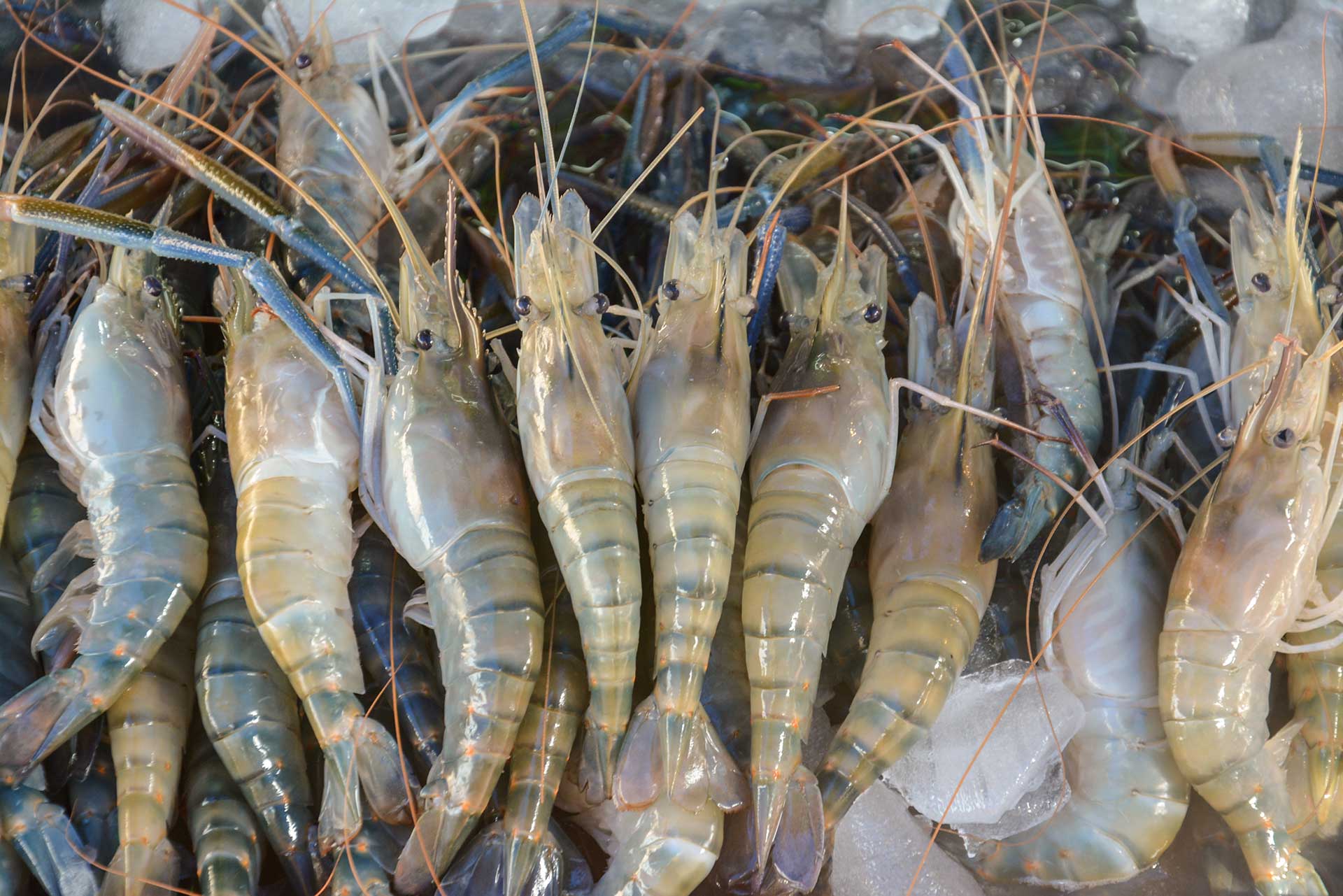
Elevating Your Coctel de Camarones: The Critical Choice of Quality Shrimp
Forget the bland, overdone shrimp cocktail of yesteryear. When it comes to a truly exhilarating culinary experience, the
Mexican Shrimp Cocktail – or
Coctel de Camarones – stands head and shoulders above the rest. This vibrant, cold, and refreshing seafood masterpiece marries plump, briny shrimp with a zesty tomato-based sauce, crisp vegetables like cucumber and onion, and the creamy richness of avocado. It's a dish that tantalizes every taste bud, making it the perfect appetizer for a summer gathering or a show-stopping party contribution. But the secret to an unforgettable
Mexican Shrimp Cocktail isn't just in the sauce or the expertly diced vegetables; it lies squarely with the quality of your shrimp.
In a dish where shrimp is the undisputed star, its origin and quality are paramount. The difference between a truly spectacular
Coctel de Camarones and a merely 'good' one often boils down to whether you've sourced wild-caught or commercially farmed shrimp. This isn't just about taste – it’s about texture, health, and ethical consumption. Let's dive deep into the world of shrimp sourcing to ensure your next
Mexican Shrimp Cocktail is nothing short of perfection.
The Uncomfortable Truth About Farmed Shrimp
The vast majority of shrimp available to consumers today, whether at your local grocery store, fish market, or even many restaurants, comes from aquaculture operations, primarily in Asia and Latin America. While shrimp farming has grown to meet global demand, the practices involved often raise significant concerns that directly impact the quality and safety of the shrimp we consume.
*
Overcrowding and Unsanitary Conditions: Farmed shrimp are typically raised in densely packed ponds or pens. Such cramped environments are breeding grounds for disease, which in turn leads to a heavy reliance on antibiotics. These antibiotics, unfortunately, can then enter our food supply, contributing to antibiotic resistance – a serious public health issue.
*
Poor Quality Feed: To cut costs, farmed shrimp are often fed a diet of low-quality, artificial feed. This can result in shrimp with a less desirable texture and a noticeably blander flavor compared to their wild counterparts. The natural, oceanic brininess that is a hallmark of good shrimp is often absent.
*
Chemical Preservatives: A critical issue to be aware of, especially when buying frozen farmed shrimp, is the use of chemical solutions for preservation. Take a moment to read the ingredient list on the back of many frozen shrimp bags, and you'll likely find a slew of unpronounceable chemicals. These solutions are used to prevent "black spot" (melanosis) and maintain moisture, but they can affect the shrimp's natural flavor and texture, leaving it tasting spongy or metallic.
*
Environmental Impact: Beyond consumer health, intensive shrimp farming can have devastating environmental consequences, including mangrove destruction, water pollution, and disruption of local ecosystems.
It's vital to recognize that the term "sustainably sourced" on a label can be highly misleading. Without stringent, independently verified certifications, this phrase often means very little in terms of beneficial practices for either the environment or the consumer. Always be wary and ask questions.
The Superior Choice: Wild-Caught Shrimp for Your Mexican Shrimp Cocktail
When it comes to crafting a truly authentic and delicious
Mexican Shrimp Cocktail, wild-caught shrimp is almost always the superior choice. These shrimp lead a natural life in the ocean, feeding on a diverse, natural diet that contributes to their distinctive flavor and firmer texture.
*
Natural Flavor and Texture: Wild shrimp, particularly those from colder waters, tend to have a sweeter, more pronounced "shrimp" flavor and a satisfyingly firm, snappy texture. This natural brininess and robust mouthfeel are essential for a dish like
Coctel de Camarones, where the shrimp is meant to shine through the vibrant sauce and fresh accompaniments. There are no artificial flavors or rubbery textures here.
*
Fewer Additives: While even wild-caught shrimp can sometimes be treated with preservatives (especially frozen varieties), they are generally far less likely to be subjected to the cocktail of chemicals often found in farmed shrimp. When processed correctly, wild shrimp often require fewer interventions, preserving their inherent quality.
*
Healthier Option: With a natural diet and no need for antibiotics to combat overcrowding, wild-caught shrimp are typically a cleaner and healthier option, free from the residues of drugs and questionable feed.
While wild shrimp might sometimes come at a higher price point, the enhanced flavor and superior quality for your
Mexican Shrimp Cocktail are an investment worth making.
Navigating the Market: Tips for Sourcing Quality Shrimp
Finding quality shrimp requires a discerning eye and a willingness to ask questions. Here's how to ensure you're getting the best for your
Coctel de Camarones:
-
Read Labels Diligently: For frozen shrimp, always check the country of origin and the ingredient list. Look for shrimp that lists only "shrimp" and possibly "water" (if frozen in an ice glaze) and avoid products with long lists of chemical names you can't pronounce, such as sodium tripolyphosphate or sodium bisulfite.
-
Ask Your Fishmonger: Don't be shy! A good fishmonger should be knowledgeable about their products. Ask specific questions:
- "Is this shrimp wild-caught or farmed?"
- "Where was it caught/farmed?"
- "Has it been treated with any preservatives?"
If they can't answer or seem hesitant, consider taking your business elsewhere.
-
Look for Reputable Certifications: While "sustainably sourced" alone isn't enough, some third-party certifications like the Marine Stewardship Council (MSC) for wild-caught seafood offer more reliable guarantees of responsible fishing practices. Do independent research to understand what these certifications truly mean.
-
Fresh vs. Frozen: "Fresh" shrimp at the counter might have been previously frozen and thawed. This isn't necessarily bad if handled correctly, but ask for clarity. High-quality Individually Quick Frozen (IQF) wild shrimp, frozen shortly after being caught, can often be superior to "fresh" shrimp that has been sitting on ice for days.
-
Consider the Source: For wild shrimp, look for sources known for sustainable practices, such as certain fisheries in the Gulf of Mexico (for Gulf shrimp) or other well-managed wild fisheries.
Remember, restaurants are often just as opaque about their shrimp sourcing as grocery stores. If you’re dining out and want to enjoy a quality shrimp dish, it never hurts to ask your server about the origin of their shrimp.
Beyond Sourcing: Preparing Your Shrimp for Perfection
Once you've secured your premium wild-caught shrimp, proper preparation is key to showcasing its inherent quality in your
Mexican Shrimp Cocktail.
*
Thawing: If using frozen shrimp, thaw them slowly in the refrigerator overnight or under cold running water for a quicker method. Avoid thawing at room temperature or using hot water, as this can compromise texture.
*
Cooking: Shrimp cooks quickly! For your
Coctel de Camarones, you'll want perfectly cooked, tender, and snappy shrimp. Boil or steam them for just 2-3 minutes until they turn pink and opaque. Overcooking will result in tough, rubbery shrimp, which would be a travesty for high-quality product.
*
Chilling: After cooking, immediately plunge the shrimp into an ice bath to stop the cooking process and ensure they remain firm and chilled for your cocktail.
The Ultimate Coctel de Camarones Experience
Crafting a
Mexican Shrimp Cocktail is an art form, and the quality of your shrimp forms its very foundation. By choosing superior wild-caught shrimp over their farmed counterparts, you ensure a dish that boasts unparalleled flavor, texture, and peace of mind. Combine these magnificent shrimp with the freshest vegetables – crisp cucumber, vibrant red onion, ripe avocado, and fragrant cilantro – all bathed in a zesty, tangy, and subtly spicy tomato-based sauce, and you'll create a
Coctel de Camarones that truly sings. It's a culinary journey that promises bright, bold, and balanced perfection in every single bite, solidifying its place as a quintessential, refreshing seafood delight.